
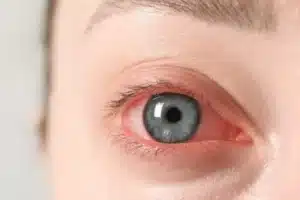
The Difference Between Allergy and Dry Eye Syndrome
Allergies and dry eye syndrome differ in several ways, including causes, symptoms, triggers, and treatments.
Cause
Allergies are an immune system response to allergens such as pollen, dust mites, pet dander, or mold. The body releases histamines, leading to inflammation and irritation in the eyes.Dry eye syndrome results from insufficient tear production or poor-quality tears that fail to lubricate the eyes properly. This condition can be caused by aging, environmental factors, medications, or medical conditions like Sjögren’s syndrome.
Symptoms
Common allergy symptoms include:
- Itchy eyes (a hallmark symptom)
- Redness and swelling in the eyes
- Excessive tearing
- Sneezing or nasal congestion (commonly co-occurs with eye symptoms)
Conversely, dry eye syndrome is often characterized by:
- Grittiness or a sensation of sand in the eyes
- Stinging or burning in the eyes
- Fluctuating blurry vision
- Excessive tearing (as a reflex to dryness)
- Eye fatigue or discomfort after prolonged screen time or reading
Triggers
Allergy symptoms are typically seasonal (spring and fall for pollen allergies) or situational (e.g., exposure to pet dander or dust).Dry eye syndrome symptoms may worsen in dry or windy environments, after prolonged screen use, or in air-conditioned spaces.
Treatment
Some of the most well-known allergy treatment options include:
- Antihistamine eye drops or oral medications
- Avoidance of allergens
- Artificial tears for temporary relief from irritation
- Cold compresses to reduce swelling and redness
Dry eye syndrome requires a different approach. Treatment may involve:
- Artificial tears or lubricating eye drops for consistent moisture
- Prescription eye drops
- Lifestyle changes, such as using humidifiers and taking breaks from screens
- Punctal plugs or advanced therapies for severe cases
Schedule a Dry Eye Syndrome Consultation in Amarillo, TX
Do you suspect that dry eye syndrome is the cause of your symptoms? Contact Dr. Murrell at 806-351-1177 to arrange a consultation.Dr. Murrell offers treatments to provide long-lasting relief and clear, comfortable vision. Get in touch today!