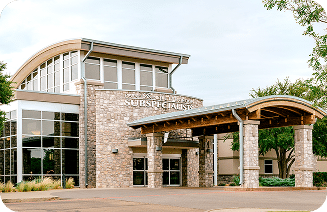

Cataract surgery is one of the most effective and widely performed procedures in the world. If you’re preparing for surgery, you’re probably focused on the improvements you hope to see — but you might also be wondering what vision changes are normal and what to expect long-term. The good news is that most people experience clearer, brighter vision soon after surgery, but your outcome depends on a few key factors.At the office of Dr. W. John Murrell, a board-certified ophthalmologist in Amarillo, TX, cataract surgery is performed with precision, care, and a focus on visual quality. With over 30 years of experience in cataracts and oculoplastic surgery, Dr. Murrell and his team provide expert guidance through every stage of your care.
What to Expect Immediately After Surgery
Within a day or two of surgery, you’ll likely notice your vision is brighter and less cloudy. Colors often appear more vivid, and details become sharper. You may still have mild blurriness, halos, or light sensitivity as your eye heals, especially during the first week. Fortunately, these symptoms are typically temporary.If you have cataracts in both eyes, Dr. Murrell typically performs surgery on one eye at a time. Once both are treated, your overall visual clarity and depth perception should noticeably improve.
Will You Still Need Glasses?
Whether you’ll need glasses depends on the type of intraocular lens (IOL) you receive. Monofocal IOLs typically correct for one distance, meaning you may still need glasses for reading or close work. Premium options like multifocal or toric lenses may reduce your need for glasses, but not everyone is a candidate.Dr. Murrell will help you choose the lens that best matches your lifestyle, vision needs, and goals.
What If Vision Gets Cloudy Again Later?
Some patients notice their vision becoming blurry again months or even years after cataract surgery. This isn’t the cataract returning — it’s something called posterior capsule opacification (PCO), which is sometimes referred to as a “secondary cataract.”PCO is caused by the natural thickening of the lens capsule that holds the IOL. It’s common, but fortunately, it’s easy to treat with a quick, painless YAG laser procedure that restores visual clarity in just minutes.
Clearer Vision Starts with Expert Care
Most people experience excellent long-term results after cataract surgery, but achieving the best outcome depends on a skilled surgeon and proper follow-up care. If you’re considering cataract surgery or have questions about your vision, contact Dr. Murrell’s office at (806) 351-1177 to schedule a consultation in Amarillo, TX.