 Thyroid eye disease (TED) can be a troubling condition that affects your vision and causes discomfort. But what exactly causes it? Knowing more about the root of the issue can help you manage it better.
At W. John W. Murrell Ophthalmology and Oculoplastic Surgery in Amarillo, Texas, Dr. Murrell will help you understand and treat TED.
The Main Causes of Thyroid Disease
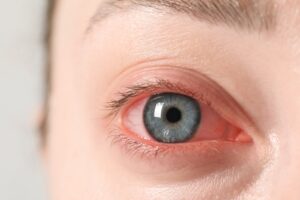
Thyroid eye disease (TED) often starts with an overactive thyroid gland (hyperthyroidism), which is usually linked to Graves’ disease. This autoimmune disorder causes your immune system to mistakenly attack the tissues around your eyes. As a result, you may experience bulging eyes, redness, swelling, and double vision. In severe cases, TED can even affect your eyesight.
Several other factors can increase your chances of developing TED:
- Genetics: If thyroid disorders run in your family, you’re more likely to develop TED. Your genetic makeup plays a big role in how your immune system behaves, which can make you more susceptible to autoimmune conditions like Graves’ disease and, by extension, TED.
- Smoking: Smoking puts you at risk for TED. It not only increases the likelihood of developing the disease but also makes the symptoms worse. Smoking may worsen inflammation and interfere with your treatment efforts.
- Hormonal Imbalances: The hormones produced by your thyroid gland are essential for many bodily functions. When these hormones are too high or low, it can lead to a range of health issues, including TED.
These causes often work together to increase the risk of developing TED.
Thyroid Eye Disease Treatment Options
While there isn’t a cure for TED, you can still treat the condition and its symptoms.
For mild cases, you can manage discomfort with:
- Cool Compresses: Helps reduce inflammation and provide relief.
- Sunglasses: Protects your eyes from light sensitivity.
- Lubricating Eye Drops: Soothes dryness and irritation.
- Steroid Medication: Reduces swelling behind the eyes.
For advanced TED, treatments include:
- Surgery: Includes eyelid surgery, muscle surgery, and orbital decompression surgery to improve function and appearance.
- Tepezza: An FDA-approved IV medication that reduces inflammation and swelling, helping to manage TED symptoms. It’s the first non-surgical treatment for this disease and is what Dr. Murrell typically recommends.
Find Relief from TED Symptoms
If you think or know you have TED and want to explore treatment options, talk with Dr. W. John W. Murrell. Early intervention can help you manage the condition and protect your vision. Call us at 806-351-1177 to schedule a consultation.